Samir Khaddaje
سمير خداج
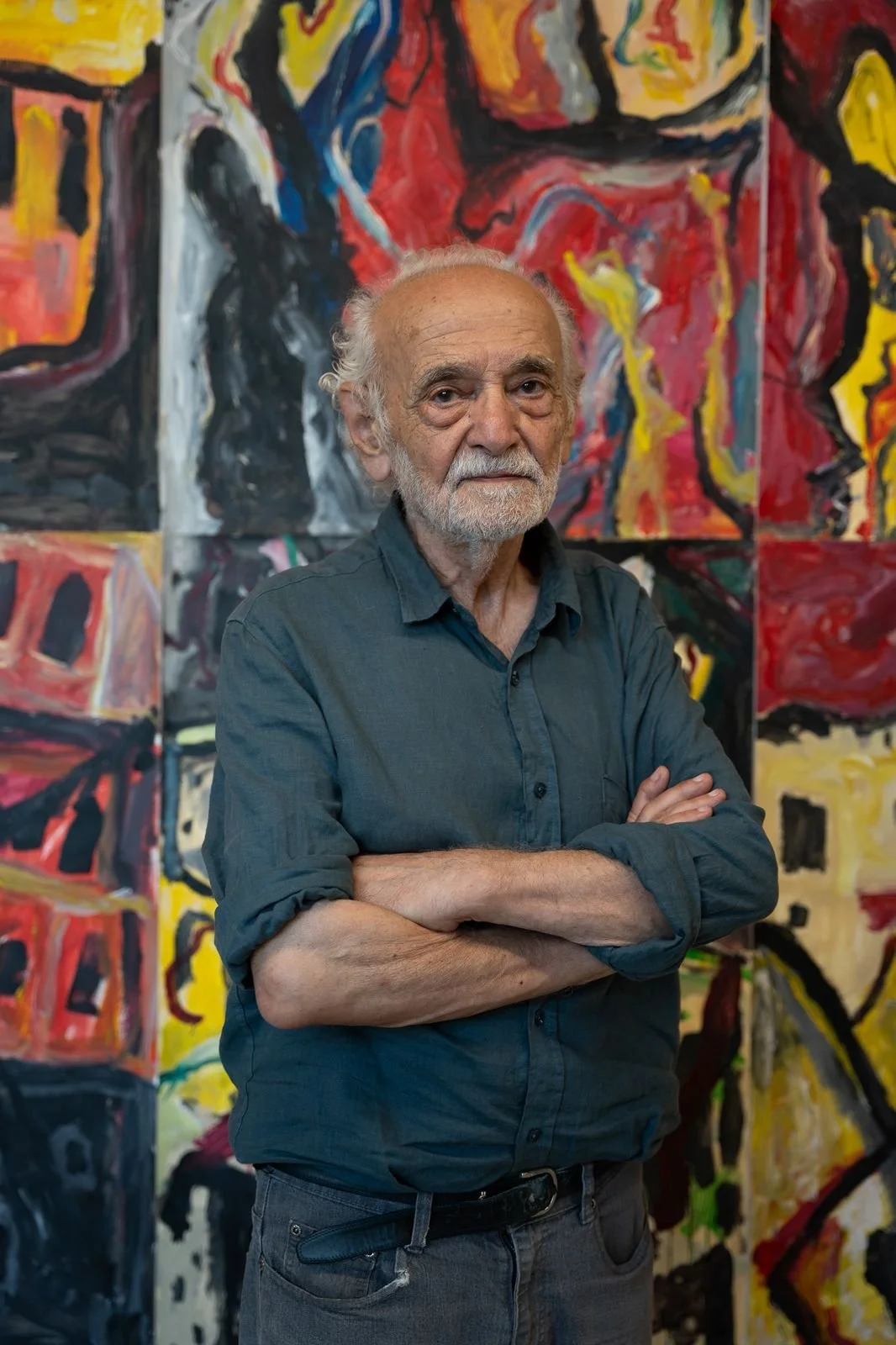
وُلد سمير خداج في كفرمتى، لبنان، عام 1939، وطوّر على مدى أكثر من خمسة عقود ممارسةً فنية متعددة الوسائط تشمل الرسم، والتصوير، والعمل التركيبي، والكتابة، والتدخلات المنجزة في الموقع. وترتكز أعماله على تجربة الحرب وما خلّفته من آثار نفسية وبصرية، حيث تتحول الصورة إلى فضاء للذاكرة، والانكسار، وإعادة البناء.
وشكّلت الحرب الأهلية اللبنانية نقطة تحول جوهرية في مسيرته، إذ أوقفت ممارسته للرسم التقليدي، وفتحت أمامه مرحلة من التجارب الجماعية والبحث الفني. وبعد سنوات أمضاها خارج لبنان، عاد إلى الرسم بلغة أكثر جذرية، اتسمت بكثافة الإيماءة، وتشظّي الصورة، ودخول الكتابة في صلب الفضاء التشكيلي.
وتتحول اللوحة في أعماله إلى حقل متبدل تتجاور فيه الصور والكلمات والتواريخ والعبارات. فلا تأتي اللغة تعليقًا على الصورة، بل تصبح جزءًا من بنيتها. ومن خلال هذا التداخل بين الكتابة والرسم، يواصل خداج تأمله في الذاكرة، وفقدان اليقين، واقتراب الانهيار، وهي موضوعات رافقت أعماله على امتداد مسيرته. وتحوّل أعماله التركيبية الأمكنة إلى بيئات سردية مفتوحة، تتجاور فيها الأعمال السابقة والأعمال الجديدة والتدخلات المنجزة خصيصًا للموقع، ضمن تكوينات قائمة على التشظّي وإعادة التركيب. ويمكن النظر إلى مجمل تجربته بوصفها محاولة لإعادة بناء العالم انطلاقًا من شظاياه.
منذ العام ٢٠١٠، يتعاون مع "بلان بي" في استكشاف آفاق جديدة لشكل الكتاب الفني وإمكانات المطبوعات بتقنياتها المتعددة.
Born in Kfar Matta, Lebanon, in 1939, Samir Khaddaje has developed a multidisciplinary artistic practice spanning more than five decades, encompassing painting, drawing, installation, writing and site-specific intervention. His work is rooted in the experience of war and its psychological and visual aftermath, where the image becomes a space of memory, rupture and reconstruction.
The Lebanese Civil War marked a profound turning point in his practice, interrupting his work as an easel painter and opening a period of collective and experimental approaches. After several years spent outside Lebanon, his return to painting was accompanied by a shift towards more radical forms characterized by gestural intensity, the fragmentation of images and the emergence of text as an integral component of pictorial space.
In Khaddaje's work, painting becomes an unstable field where images, words, dates and inscriptions coexist. Language does not comment on the image; it becomes part of it. This dialogue between writing and painting sustains an ongoing reflection on memory, the loss of bearings and the imminence of disaster—recurring themes throughout his practice.
His installations transform places into open narrative environments where earlier works, recent creations and site-specific interventions come together in fragmented configurations. His work as a whole may be understood as an attempt to recompose reality from its scattered fragments.
Samir Sayegh
سمير الصايغ
ولد في لبنان عام ١٩٤٥، وهو يقطن ويعمل في بيروت.
هو شاعر، خطاط، ناقد فني، كاتب وباحث ولديه عدة دراسات ومقالات حول الفن المعاصر والفن الإسلامي. عمل كمحاضر في قسم التصميم الغرافيكي في الجامعة الأميركية في بيروت بين عامي ۱۹۹۳ و۲۰۰۷ عرض أعماله في فن الخط في عدة دول عربية، كما صمم أعمالا لعدة أبنية وجوامع.
يعتبر من أبرز الخطاطين العرب المعاصرين، وقد جرى تكريمه في البيينال الأول للخط العربي في الشارقة. ألف كتابا حول جمالية الفن الإسلامي يدعى "الفن الإسلامي - قراءة تأملية في فلسفته وخصائصه الجمالية". كما لديه عدد من الدواوين الشعرية وأبحاث نقدية متنوعة.
منذ العام ٢٠١٠، يتعاون مع "بلان بي" في استكشاف آفاق جديدة لشكل الكتاب الفني وإمكانات المطبوعات بتقنياتها المتعددة.
" ليست الزخرفة أو الرسم هنا، لتزيين الخطّ، وليس الخطّ ليزيد في وضوح معنى الكلمة، وليس الهدف الأخير إحقاق التناسق والانسجام وحسر التجاور. بل يتمّ هذا اللقاء في غاية الوصول إلى المعنى الواحد بطرق مختلفة."
— سمير الصايغ
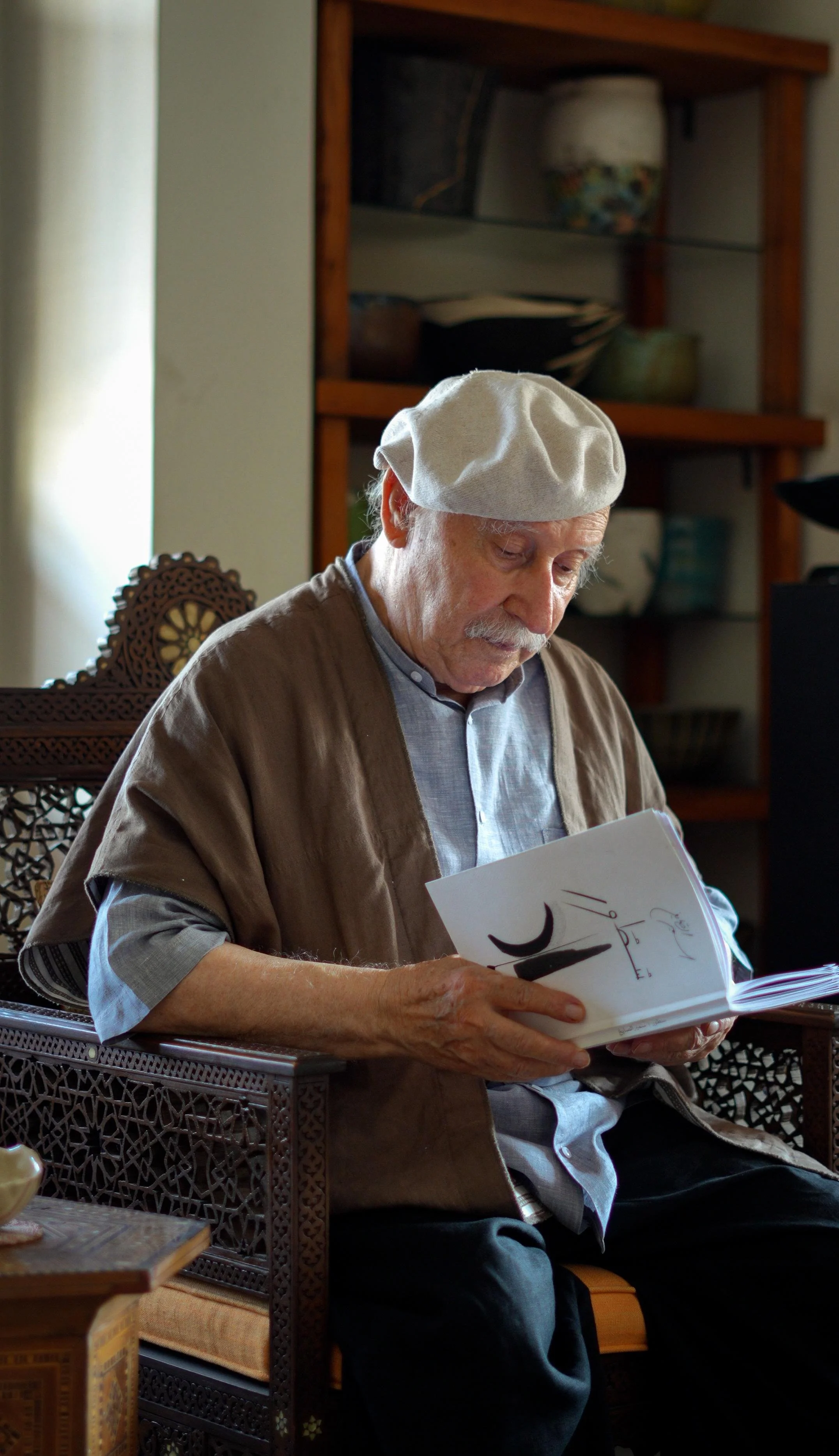
Born in Lebanon in 1945, Samir Sayegh lives and works in Beirut.
He is a poet, calligrapher, art critic, writer, and researcher, with numerous studies and articles on contemporary and Islamic art. Between 1993 and 2007, he taught in the Department of Graphic Design at the American University of Beirut. He has exhibited his calligraphic works across several Arab countries and designed pieces for buildings and mosques.
Recognized as one of the most prominent contemporary Arab calligraphers, he was honored at the first Sharjah Biennial of Arabic Calligraphy. He is the author of Islamic Art: A Contemplative Reading into Its Philosophy and Aesthetic Characteristics, and has published several poetry collections and critical studies. Since 2010, he has collaborated with Plan BEY, pushing the boundaries of the artist book, art prints, and multiples.
“Drawing here is not meant to embellish calligraphy, nor is calligraphy intended to clarify the meaning of the word, nor is the ultimate aim to achieve balance, harmony, or a pleasing formation. Rather, this meeting takes place with the purpose of reaching a single meaning through different paths”
Mariem Abutaleb
مريم أبو طالب
مريم أبو طالب (مواليد ١٩٩٧، مصر) فنانة ومصممة غرافيك حاصلة على شهادة البكالوريوس في التصميم الغرافيكي من الجامعة الأمريكية بالقاهرة. تستكشف أعمالها الخط العربي كلغة بصرية ديناميكية قادرة على التعبير عن مشاعر عميقة تتجاوز القراءة.
من خلال الحبر الأسود، تخلق ممارستها الفنية القائمة على التجريب تكوينات وأنماطًا تجريدية تجمع بين الانسجام والعفوية. تمزج أعمالها بين النص والتجريد، وتغمر المشاهدين في تجربة حسية من الإيقاع والقوة. حظيت أعمال مريم بتقدير دولي، وعُرضت في معارض بمدن مثل نيويورك وبرلين وقطر.
"أعمالي تستكشف الخط العربي كلغة بصرية تتجاوز سهولة القراءة، لتعكس العمق العاطفي للكتابة."
— مريم أبو طالب
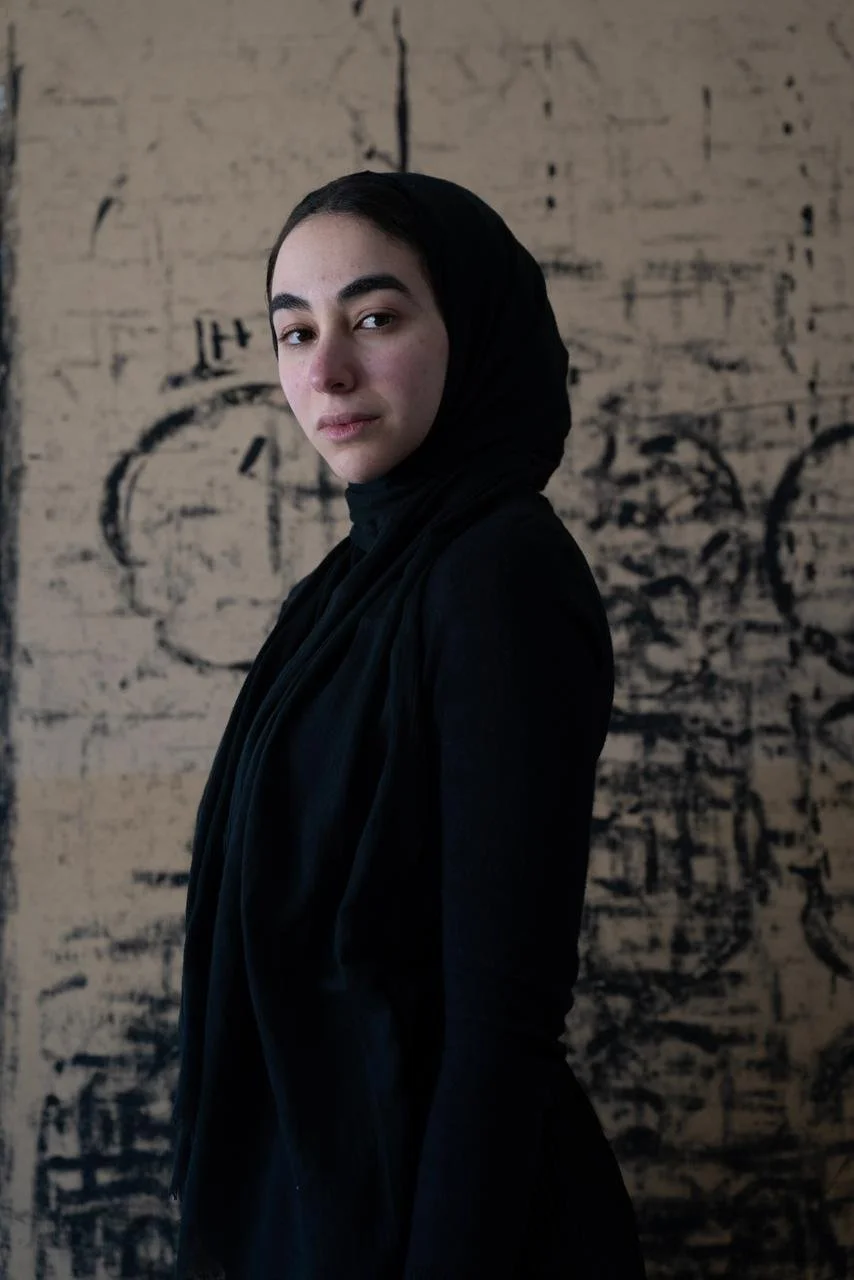
Mariem Abutaleb (b.1997, Egypt) is an artist and graphic designer with a Bachelor's degree from the American University in Cairo. Her work explores Arabic script as a dynamic visual language capable of conveying emotions beyond readability.
Through black ink, her experimental practice creates abstract compositions that blend harmony and spontaneity. Her pieces blur the line between text and abstraction, immersing viewers in a sensory experience of rhythm and power. Abutaleb’s work has been featured in exhibitions across the globe, including in New York, Berlin, and Qatar.
“My work explores Arabic script as a visual language transcending readability, reflecting the emotional depth of writing. ”
Walid Taher
وليد طاهر
وليد طاهر (م.1969، مصر) بدأ مسيرته في الرسم و الصحافة أثناء دراسته في كلية الفنون الجميلة بجامعة حلوان، حيث نُشرت رسوماته في عدد من الصحف والمجلات المصرية مثل صباح الخير، والشروق، و نهضة مصر. علي مدار السنين، كتب ورسم أكثر من ٧٠ كتاباً للأطفال نُشرت في مختلف أنحاء العالم العربي وأوروبا.
رسخ وليد طاهر مكانته كجزء متأصل من المشهدين الفني والأدبي، في مصر وخارجها، حيث عُرضت أعماله في العديد من المعارض الفردية والجماعية حول العالم. كما حصل على عدة جوائز دولية، ومنها جائزة اتصالات، وجائزة محمود كحيل، وجائزة الشيخ زايد، إلى جانب اختياره ضمن قائمة الشرف في معرض بولونيا الدولي لكتب الأطفال. شغل وليد طاهر منصب المدير الفني في دار الشروق للنشر بين عامي ٢٠٠٠ و ٢٠١٦، ولا يزال عضوًا في نقابتي الصحفيين و الفنانين التشكيليين في مصر.
" في هذه المجموعة، استلهمت ذلك الخط الحّي وتلك الحرارة، وتماهيت مع ذلك الخّطاط العاّمّي، وكتبت وألّفت وصّممت اللافتات والعبارات والرسائل والبطاقات باحثًا عن رفقاء لا أعرفهم.. يقرأون.. و.. نتواصل."
— وليد طاهر

Walid Taher (b.1969, Egypt) began his career in illustrative journalism while still a student at Helwan University’s Faculty of Fine Arts, contributing illustrations to major Egyptian publications such as Sabah El Kheir, El-Shorouk, and Nahdet Misr. Over the years, he has written and illustrated more than 70 children’s books, which have been published across the Arab world and Europe.
As a prominent figure in the art and literary scenes, both in Egypt and internationally, his work has been featured in numerous solo and group exhibitions worldwide. His extensive body of work has received several international awards, including the Etisalat Award, Mahmoud Kahil Award, Bologna Honor List, and Sheikh Zayed Award. He was the Art Director at Dar Al Shorouk Publishing House (2000-2016) and remains a member of Egypt’s Journalists and Visual Artists Syndicates.
“I became that everyday calligrapher— writing, designing, inventing signs, cards and letters— in search of companions I don’t yet know. Readers who will pause, smile, and connect.”